
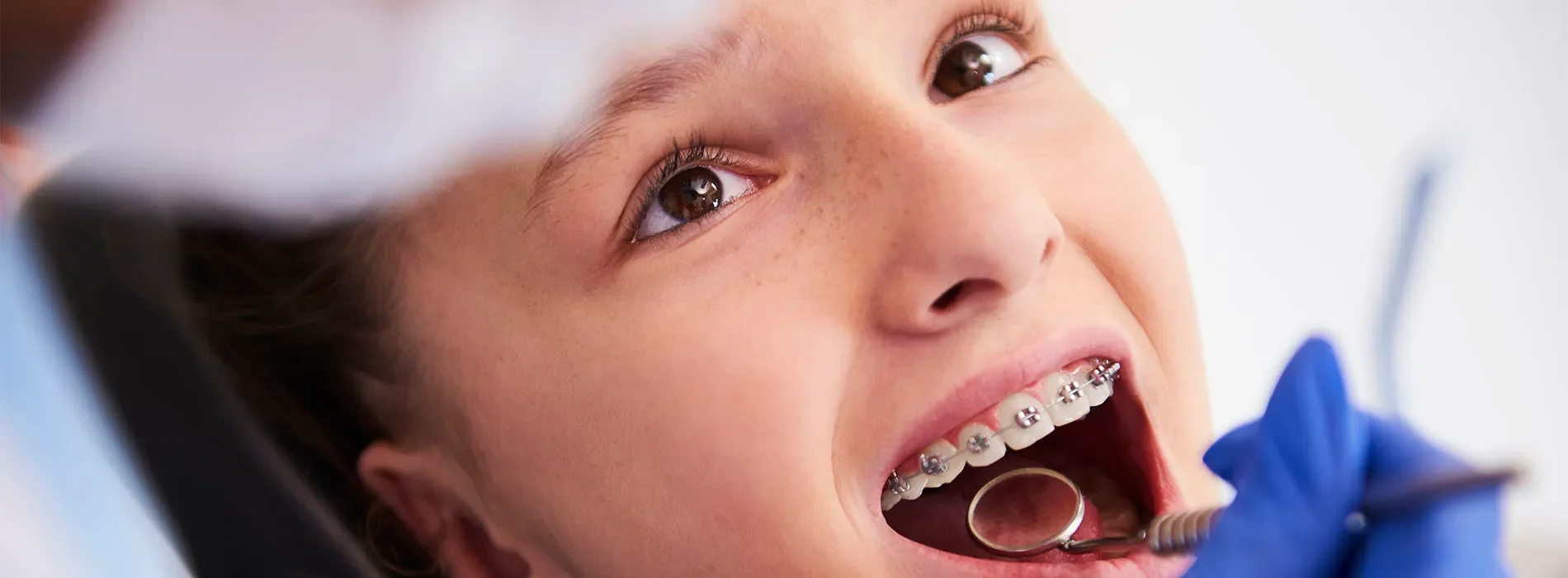
How do you know if your child may need braces? Crooked teeth, crowding, bite problems, and jaw alignment issues can indicate a need for orthodontic care. However, these signs do not always mean your child needs braces right away.
As children grow, baby teeth fall out, and permanent teeth emerge. Some changes in tooth alignment are normal. Others may indicate developing orthodontic problems that need attention.
Recognizing early signs can help you understand your child's dental health. Here are eight signs your child might need braces and when to schedule an orthodontic evaluation.
8 Common Signs Your Child Might Need Braces
Certain changes in your child's teeth, bite, and jaw may indicate a need for braces. Watch for these common signs as their smile develops.
1. Crowded, Crooked, or Overlapping Teeth
Crowded or crooked teeth often indicate that a child may need braces. You might notice teeth overlapping, twisting, or growing outside their expected positions.
This often happens when the jaw does not have enough space for permanent teeth. As adult teeth come in, they may push against neighboring teeth or emerge at unusual angles.
When teeth overlap or sit too close together, cleaning between them can become difficult. Trapped food debris and plaque may contribute to cavities and gum disease over time.
An orthodontist can examine each tooth's position and check the space available for proper alignment. The orthodontist can use the assessment results to decide whether treatment is needed or periodic monitoring is sufficient.
2. Early or Delayed Loss of Baby Teeth
Losing baby teeth too early or too late may indicate an orthodontic concern. The timing can affect how permanent teeth develop and emerge.
Baby teeth hold space for adult teeth. When a baby tooth falls out early, nearby teeth may shift into the space. This can leave less room for permanent teeth.
Delayed loss may also affect when adult teeth erupt. However, children develop at different rates, so timing differences do not always indicate a problem.
A dental or orthodontic evaluation can help identify unusual tooth development. It also helps determine whether your child needs monitoring.
3. Noticeable Bite Problems (Overbite, Underbite, or Crossbite)
An improper bite occurs when the upper and lower teeth do not fit together correctly. This can sometimes make chewing difficult and affect how the teeth function.
Bite problems may develop in different ways, such as:
Overbite: The upper front teeth extend too far over the lower front teeth.
Underbite: The lower front teeth project beyond the upper front teeth.
Crossbite: Some upper teeth sit inside the lower teeth when biting down.
Open bite: The front teeth don't meet when the back teeth touch.
These bite problems can result from differences in tooth positioning or jaw development. If left unaddressed, some alignment issues may contribute to uneven tooth wear.
4. Difficulty Chewing or Biting Food
Frequent difficulty chewing or biting food may indicate a dental or orthodontic problem. Your child should generally be able to eat comfortably.
Watch for these behaviors:
Avoiding firm or crunchy foods.
Chewing mainly on one side.
Frequently biting the cheeks or tongue.
Struggling to bring the upper and lower teeth together.
Complaining of discomfort while chewing.
Misaligned teeth and bite problems can affect how teeth meet. However, cavities, tooth sensitivity, and other dental issues can also cause discomfort.
5. Mouth Breathing or Persistent Oral Habits
Frequent mouth breathing and prolonged oral habits may affect developing teeth and jaws. These behaviors can also signal concerns that need further evaluation.
Watch for:
Persistent thumb or finger-sucking.
Continued pacifier use beyond early childhood.
Tongue thrusting during swallowing.
Frequent mouth breathing.
Difficulty keeping the lips comfortably closed at rest.
Prolonged thumb-sucking and pacifier use may contribute to changes in tooth positioning. They can also affect bite development.
Mouth breathing may be associated with certain orthodontic concerns. However, it does not automatically mean your child needs braces.
6. Jaw Shifting, Pain, or Clicking Sounds
Noticeable jaw shifting, recurring pain, or clicking sounds may indicate a problem worth investigating. These symptoms can involve the jaw muscles, bite, or temporomandibular joint (TMJ).
Watch for signs such as:
The jaw shifting when you open or close your mouth.
Clicking or popping sounds.
Pain while chewing.
Difficulty opening the mouth fully.
Recurring jaw discomfort.
These symptoms do not always result from misaligned teeth. An orthodontist can examine your child's bite and jaw relationship to identify possible concerns.
7. Speech Problems or Difficulty Pronouncing Certain Words
Some children have difficulty pronouncing specific sounds. In certain cases, tooth positioning, bite alignment, or tongue placement may contribute.
You might notice:
A persistent lisp.
Difficulty producing certain sounds.
Unusual tongue positioning during speech.
Air escaping through gaps between the teeth.
Speech problems can have several causes. They do not automatically indicate a need for braces.
A speech-language pathologist can assess your child's speech development. An orthodontist can determine whether misaligned teeth or jaw positioning also contribute.
8. Gaps Between Teeth or Protruding Front Teeth
Gaps between teeth and protruding front teeth can indicate developing alignment issues. However, small spaces between baby teeth are often normal.
These gaps may provide room for larger permanent teeth. Unusually large spaces, missing teeth, or persistent spacing may need further assessment.
Also check whether your child's upper front teeth stick out noticeably. Protruding teeth may be more vulnerable to injury during sports or everyday activities.
An orthodontist can assess the cause of these alignment concerns. They can determine whether braces or other orthodontic treatment may help.
How to Tell If Your Child Needs Braces or Just Monitoring?
An orthodontic evaluation is the best way to determine whether your child needs braces. Visible signs alone cannot confirm the need for treatment.
An orthodontist considers several factors:
Tooth alignment: Whether teeth are crowded, crooked, rotated, or spaced.
Bite relationship: How your child's upper and lower teeth fit together when they close their mouth.
Jaw growth: Whether the upper and lower jaws are developing at a healthy rate.
Permanent tooth eruption: Whether adult teeth are coming in at the expected positions and stages.
Dental health: Whether existing dental issues affect treatment planning.
Your child may need braces, early intervention, or periodic monitoring. Some children may not need orthodontic treatment.
The right approach depends on their dental development. An orthodontist can explain whether treatment is necessary now or later.
When Should Your Child Have Their First Orthodontic Evaluation?
The AAO recommends that children have their first orthodontic assessment by age seven. At this stage, children usually have both primary and permanent teeth.
This early assessment helps the orthodontist evaluate tooth positioning and jaw development. It can also reveal potential alignment or bite concerns.
An evaluation by age seven does not mean your child needs braces. Many children only need periodic monitoring.
However, you do not need to wait until age seven if you notice concerning signs. Difficulty chewing, unusual tooth development, or noticeable bite problems may warrant an earlier consultation.
Read our guide on when your child should first see an orthodontist to understand the recommended timing.
Benefits of Early Orthodontic Evaluation for Children
Early orthodontic evaluations help identify developing concerns and establish the right treatment timeline. They also help parents understand whether intervention is necessary.
Here are four important benefits of early evaluations.
Identifying Bite Problems Before They Progress
An orthodontist can identify overbites, underbites, crossbites, and open bites. Some bite problems may become more complex as children grow.
Early assessment helps determine whether treatment is needed. It can also prevent certain issues from going unnoticed as they develop.
Monitoring Jaw Growth and Permanent Tooth Development
An orthodontist can monitor jaw growth and permanent tooth eruption. This helps identify crowding, unusual tooth positions, and concerns about jaw alignment.
Regular monitoring also helps determine the right time for orthodontic treatment. Not every developing concern requires immediate intervention.
Addressing Harmful Oral Habits
Persistent thumb-sucking, pacifier use, and tongue thrusting may affect tooth alignment. These habits can also contribute to bite problems.
An orthodontist can assess whether an oral habit is affecting your child's dental development. They may recommend appropriate strategies to manage the habit.
Understanding the Right Time for Orthodontic Treatment
The right time for treatment depends on your child's teeth and jaw development. Some orthodontic problems benefit from early intervention.
Others are better treated after more permanent teeth emerge. An early evaluation helps establish an appropriate treatment plan without unnecessary braces.
What Happens During a Child's Orthodontic Consultation?
An orthodontic consultation evaluates tooth alignment, bite issues, and jaw development. It helps determine whether your child needs treatment or continued monitoring.
The appointment may include:
Dental history: The orthodontist reviews your child's dental development and concerns.
Teeth examination: They check for crowding, spacing, crooked teeth, and misalignment.
Bite assessment: They examine overbites, underbites, crossbites, and other bite issues.
Jaw evaluation: They assess jaw alignment and development.
Diagnostic records: They may recommend photographs, digital scans, or X-rays when needed
Treatment discussion: They explain whether your child needs braces, early intervention, or monitoring.
At Vincent & Bullwinkel Orthodontics, we provide individualized orthodontic evaluations for families in Charleston. The team considers each child's development before recommending an appropriate treatment approach.
Help Your Child Develop a Healthy, Confident Smile With Smile Lowcountry
A child's teeth may develop unevenly as their smile changes. An orthodontic assessment can help determine whether corrective care is necessary or whether their dental development needs observation.
An orthodontic evaluation helps identify alignment concerns and the right time for care. Early assessment can also help prevent certain problems from becoming more complex.
Vincent & Bullwinkel Orthodontics provides personalized orthodontic care for children, teens, and adults in Charleston. If you've noticed possible signs your child may need braces, explore our braces options and take the first step toward a healthier smile.
Frequently Asked Questions
-
Crowded teeth, crooked teeth, bite problems, and protruding front teeth may indicate a need for braces. An orthodontic evaluation confirms whether treatment is necessary.
-
Most children adjust within a few days to a couple of weeks. Mild soreness usually improves as their teeth adjust.
-
Many children get braces between ages 9 and 14. The right age depends on tooth development and orthodontic needs.
-
An untreated crossbite may contribute to uneven tooth wear, chewing difficulties, or jaw shifting. An orthodontist can assess the risks for your specific bite.
-
There is no standard pain rating. Most children experience temporary pressure or mild soreness after placement and adjustments.